The decade began with key hires for the executive team and record-setting numbers. Ken Kinser, Nate Kinser’s son, was hired as the Director of Operations in 2000, and in 2003, Bruce Wohlert was hired as the Business Director. Alliance Redwoods set attendance records each year from 2000 to 2004. In 2001, over 22,000 guests were served—an Alliance Redwoods first! By 2004, the occupancy rate reached 47%, and the annual budget exceeded three million.
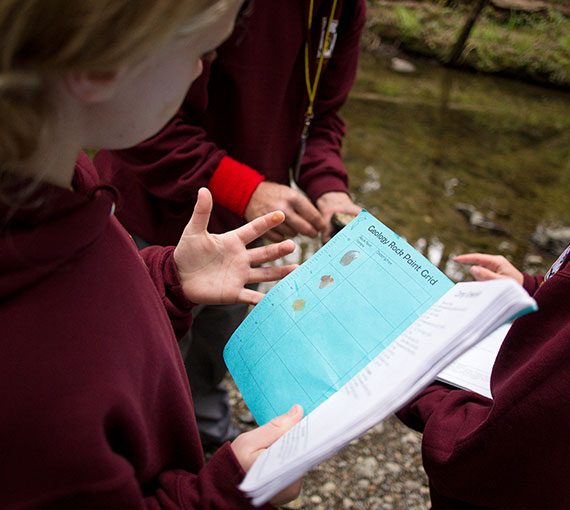
In 2002, Abby Abrahams and Mervyn Coetzee launched Camp South Africa (CSA), and the same year Outdoor Education celebrated 20 years.
Multiple facility improvements were made including the repainting of buildings, a new 5,000-gallon water tank, skate park, and volleyball court. Strong attendance allowed the camp to pay off about one million dollars of its long-term debt. Still, the need for long-deferred expensive infrastructure maintenance loomed. How long could the camp delay these essential renovations with record numbers of guests using the camp? In 2001, the camp spent $40,000 on septic system repairs, but much more was needed to restore the deterioration of 60 years in every part of the camp. By 2005, the decline of the infrastructure was matched by the decline in attendance and revenue. In 2007, the camp endured water, electric, and septic system failures. The main bridge to camp was dry-rotted. Sonoma County pressed the camp to make repairs. With no cash reserves and all lines of credit spent, Alliance Redwoods teetered on the brink of insolvency. In 2008, Jim Blake declared, “We need a miracle.” Would Alliance Redwoods be forced to close after 62 years of ministry?
In this crisis, the Board of Trustees and the executive team sought God’s guidance as they discussed the camp’s future. The board called on Ron Mattocks, an expert consultant in non-profit management. In his analysis, he summarized: “The biggest error of camps is to delay or live in denial. The issues are real and the depreciation is severe, potentially catastrophic. God will provide, but part of His provision is the intellectual capacity to make prudent decisions that build long-term sustainability.”
After months of consideration a decision had to be made. The board and executive team decided to take a faith-filled risk to reinvest! Alliance Redwoods would request a huge loan—over seven million dollars—from the Alliance Development Fund (ADF) to rejuvenate the facility and the ministry. A five-year business plan was presented to the ADF over the course of two days. The plan outlined a zone of solvency through lowering prices to increase bookings, optimizing peak dates, expanding the Outdoor Education Program, and creating new revenue streams. An ADF representative stated: “You already have three strikes against you. The largest default ever on an ADF loan was an Alliance Camp. The funds at the ADF are low. Your request for seven million dollars is the largest request we have received to date.” On top of this, during the presentation, a staff member knocked on the door to report that due to a recent septic system failure, the county was giving the camp 90 days to fix the problem.
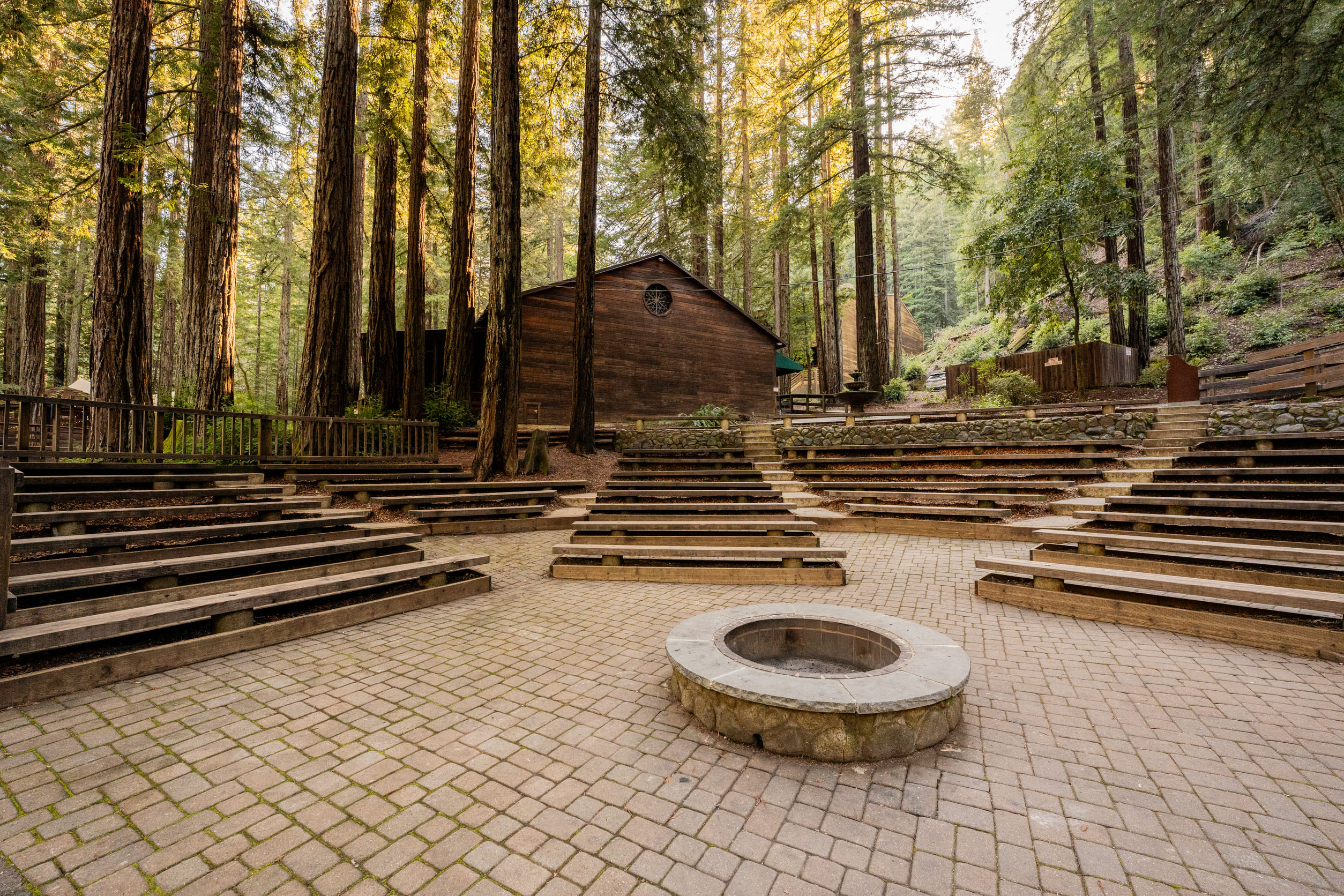
Still, against all odds, on May 21, 2009, the ADF voted unanimously to approve a 7.5 million dollar loan to revitalize Alliance Redwoods! God opened the door to reinvest in and rejuvenate the ministry of Alliance Redwoods. With the loan approved, extensive improvements began with no essential part of camp neglected: A new basketball court was installed in the main part of camp. New walkways, roads, and decks were added around the camp. A handful of buildings were remodeled; the Main Building was remodeled from the offices to the Dining Hall. The Operations Director, Larry Birch, was instrumental in the major changes to the Dining Hall as it looks today. A handful of buildings were also remodeled. The old Fire Circle was transformed into an amphitheater. A new septic system was installed. Pineknot Village and The Slab were built. The gym was outfitted to convert to a Performing Arts Center (which is known as the PAC). Turf was added on the Ballfield, and new Challenge Courses were built. The camp-wide improvements invigorated the guests’ experience and kept them returning to Alliance Redwoods.
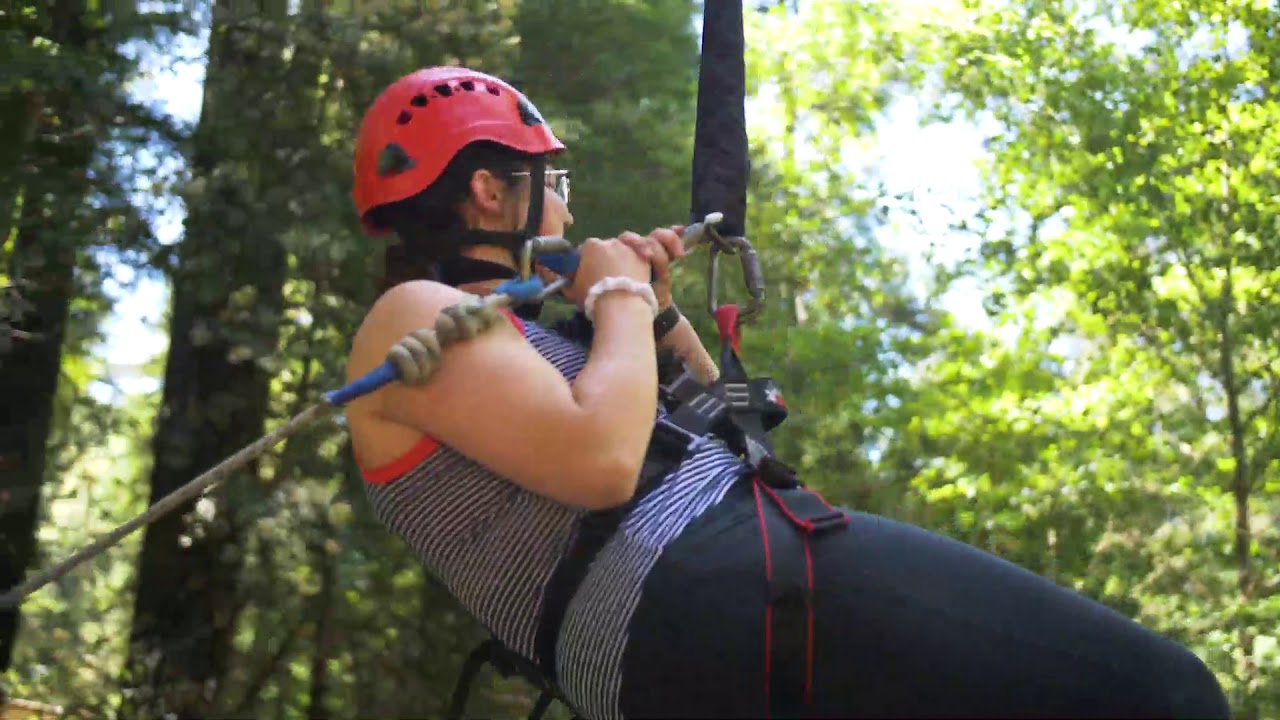
During the crisis point of 2008, the idea of Sonoma Zipline Adventures was planted. While seeking the loan, the executive team was researching new programs that could generate new revenues. Bruce Wohlert discovered zip line canopy tours while on vacation in Puerto Vallarta, Mexico and God revealed that a recreational and educational canopy tour through the redwoods was symbiotic with Alliance Redwoods’ goals and tourism in Sonoma County. Opening a canopy tour was a key strategy in the five-year business plan to fund the renovations.